
19/10/2026 13:31
Which Repair Is This? A TikTok Video Cover Workflow for Cambodian Bag Repair Shops
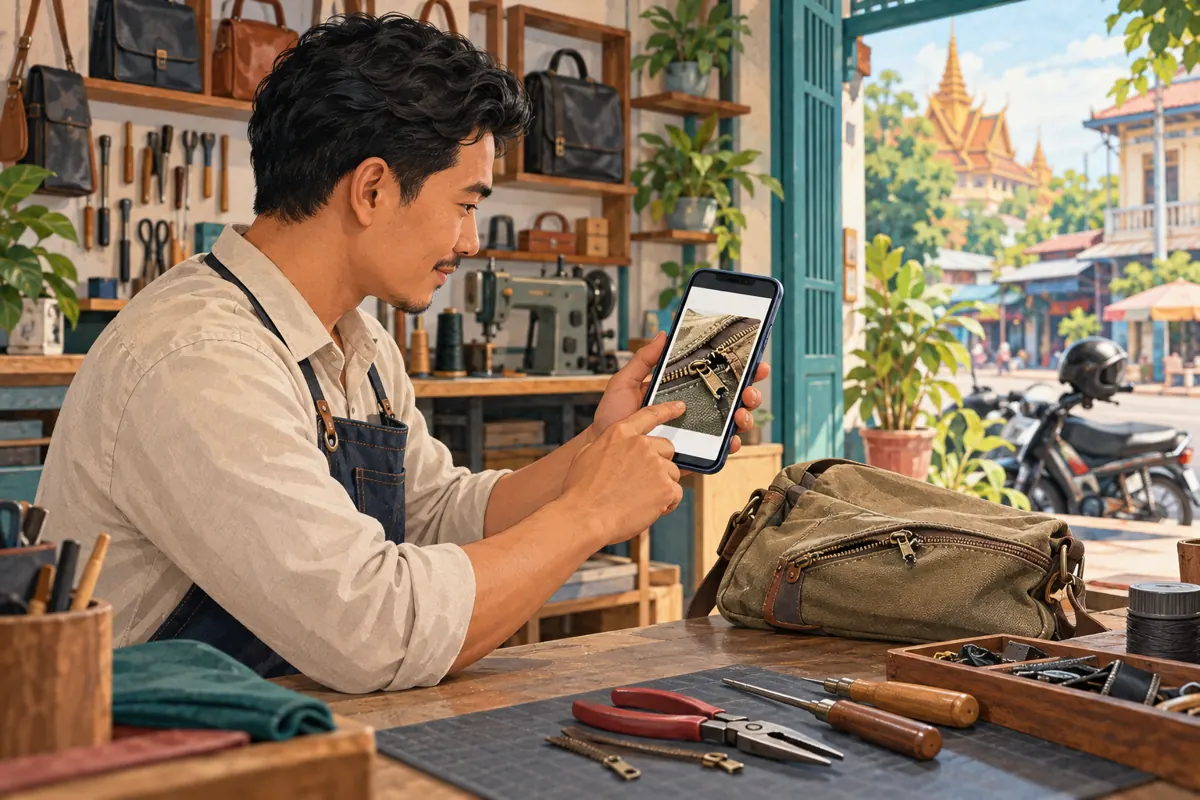
A customer remembers seeing your bag repair demonstration but returns to a profile full of similar workbench videos. Which one explains a broken zipper? Which one shows a replacement strap? When every cover looks alike, useful content becomes difficult to recognise. For a Cambodian repair business, choosing a clear cover is a practical part of social media promotion: it helps someone understand what they are about to watch. This workflow starts with the customer's repair question, carries that question through filming and cover selection, and ends with an inspection enquiry. It also explains why an SMM panel engagement package cannot establish that a cover works or that local customers want the service.
1. Give the cover one recognition task
Treat the cover as a small sign for one video. Its job is to help a visitor distinguish that demonstration from the surrounding posts. A zipper video should look different from a handle repair video even when both feature the same brown bag. Start by completing this sentence: someone should choose this video when they want to understand blank. If the answer contains several unrelated repairs, narrow the video before designing its cover.
TikTok describes a video cover as the preview thumbnail shown in places such as a profile or search results. Its help page documents selecting that cover before publishing. This gives the cover a useful navigation role, but does not establish a ranking benefit or guarantee more views. Keep the objective modest and observable: can a visitor identify the intended subject? See [TikTok's cover instructions](https://support.tiktok.com/en/using-tiktok/creating-videos/editing-posting-and-deleting?lang=id).
2. Start with the words customers actually use
In a hypothetical Phnom Penh bag repair shop, customers describe a zipper that opens behind the slider as a zip that will not stay closed. The technician may use a more precise term internally, but the public cover should begin with the recognisable symptom. The video can then explain why inspection is necessary. A useful planning note contains the customer question, the visible detail and the action the viewer can take afterward.
Use the language your intended customers understand. If enquiries usually arrive in Khmer, have a fluent colleague choose a short, natural Khmer label rather than shrinking a long English repair term. An English explanation can sit elsewhere when it serves visitors who need it. Do not place two complete language versions, a phone number and a location across the same tiny image. The repair detail should remain the strongest visual element.
3. Film a frame that can explain the subject
Cover selection becomes easier when the footage already contains a clear view of the problem. Before recording the repair, capture a steady close-up showing the relevant zipper, seam or strap attachment. Move unnecessary tools out of the background and position the bag so the detail is visible without a hand covering it. Include enough surrounding material to show where the problem sits; an extreme close-up can become an unrecognisable patch of metal or fabric.
For the hypothetical zipper video, record the whole bag briefly, then show the separated teeth and the slider. Hold the informative view long enough to inspect while editing. Do not alter the damage to make it more dramatic. Remove customer receipts, luggage tags and personal belongings from the scene. Use a shop demonstration item if permission to show a customer's bag is uncertain. The cover should come from footage the business can honestly explain.
4. Compare candidate frames by meaning
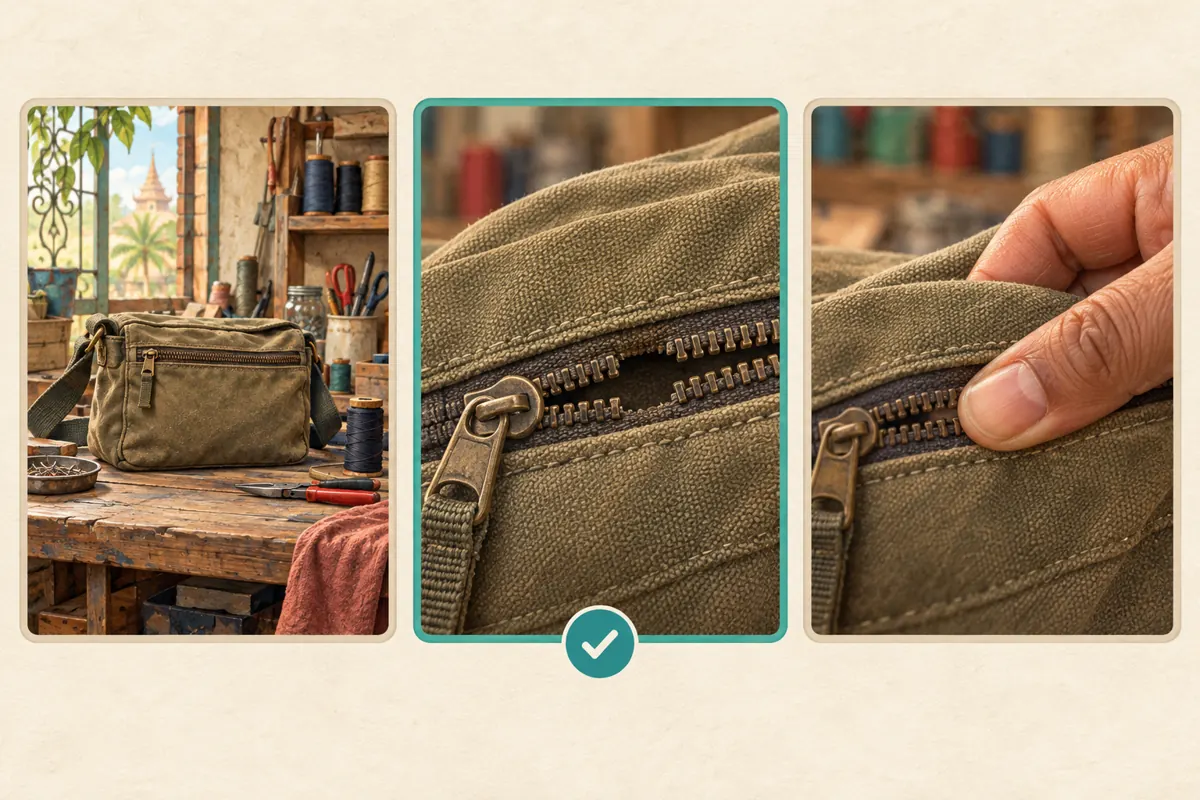
Review a few candidate moments before choosing. A wide shot may establish the workshop but hide the fault. A close-up may make the fault obvious. An action frame may feel lively while the technician's fingers obscure the important part. Ask three questions of each candidate: can someone recognise the object, see the relevant detail and predict the video's subject? Choose the frame that answers those questions most clearly.
In the hypothetical example, a sharp view of separated zipper teeth is a stronger candidate than a polished image of the repaired bag if the video explains diagnosis. Conversely, a video about inspecting a finished replacement strap may reasonably show the completed attachment. The choice depends on the promised lesson. Avoid selecting an attractive result that the video never demonstrates, or implying that every similar bag can receive the same repair.
5. Select the cover before publishing
TikTok's documented process is straightforward: on the posting screen, tap Select cover on the video thumbnail, move the selection to the desired point in the video, then tap Save. Check the resulting preview before completing publication. Follow the labels visible in your current app, and consult the official instructions if the controls differ. Do not make an urgent promotion depend on an assumed ability to replace a cover later.
Keep the approved video file and your chosen frame reference together in the shop's content notes. A brief description such as close-up with both zipper edges visible is more useful than a vague instruction to use the good frame. If another employee handles posting, ask them to compare the final preview with that note. This prevents a cover decision from disappearing during the handoff without requiring a complicated approval system.
6. Test the cover beside neighbouring videos
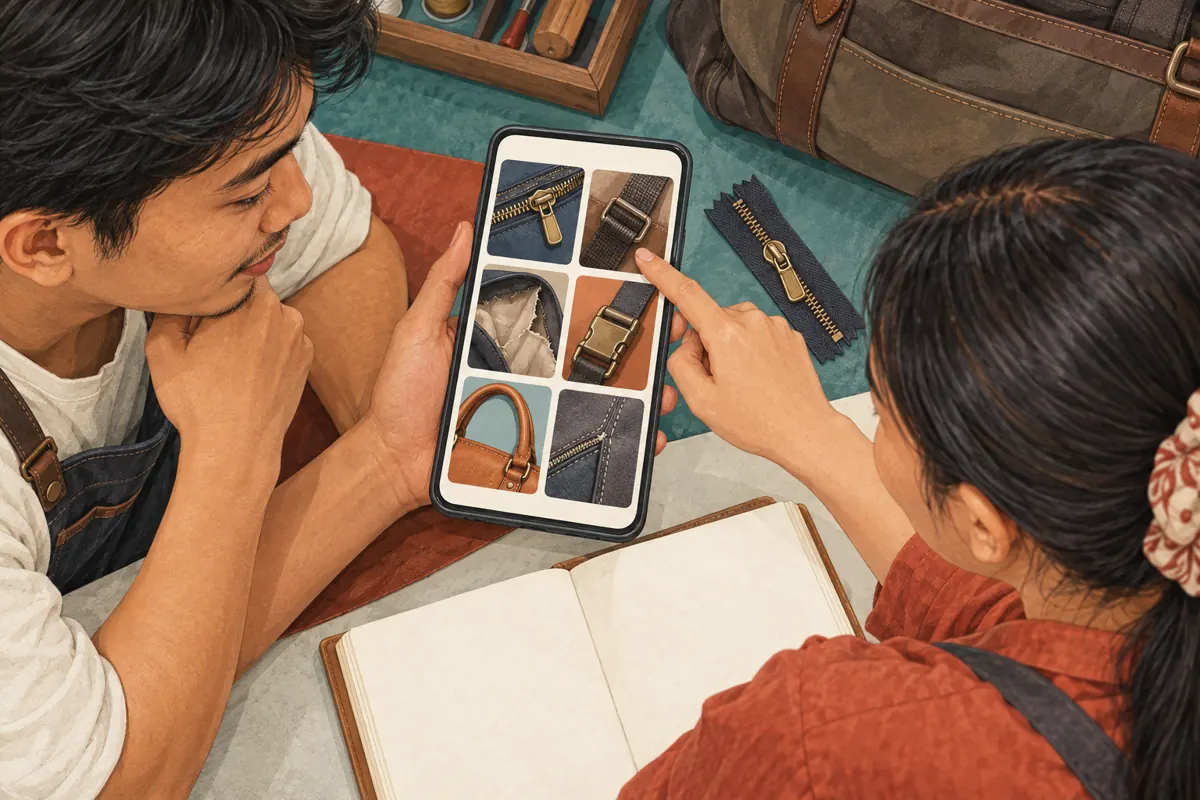
A cover can look clear on its own yet disappear among similar posts. Review it at approximately the size someone sees while browsing a phone. Place it beside covers for strap, buckle and lining demonstrations. Consistent lighting or label placement can make the collection feel organised, but each repair needs a recognisable visual difference. A repeated full-bag photograph with only a tiny word changed asks the visitor to work too hard.
Ask a colleague who did not edit the video to identify which cover answers a specific repair question. Do not explain the correct answer first. If they choose the wrong tile, ask what visual cue led them there. Perhaps the strap is more prominent than the zipper, or a hand hides the seam. Revise the cue that caused the confusion. This is a practical comprehension check, not proof of future customer behaviour.
7. Make the video fulfil the cover's promise
Once the visitor opens the video, confirm the subject promptly. Show the same repair area and explain what the demonstration can establish. A cover about a separating zipper should lead into that problem, rather than an unrelated workshop introduction. Keep any price or turnaround discussion conditional on the actual inspection and the shop's confirmed capabilities. A successful repair on one demonstration bag does not establish that all materials or damage patterns are repairable.
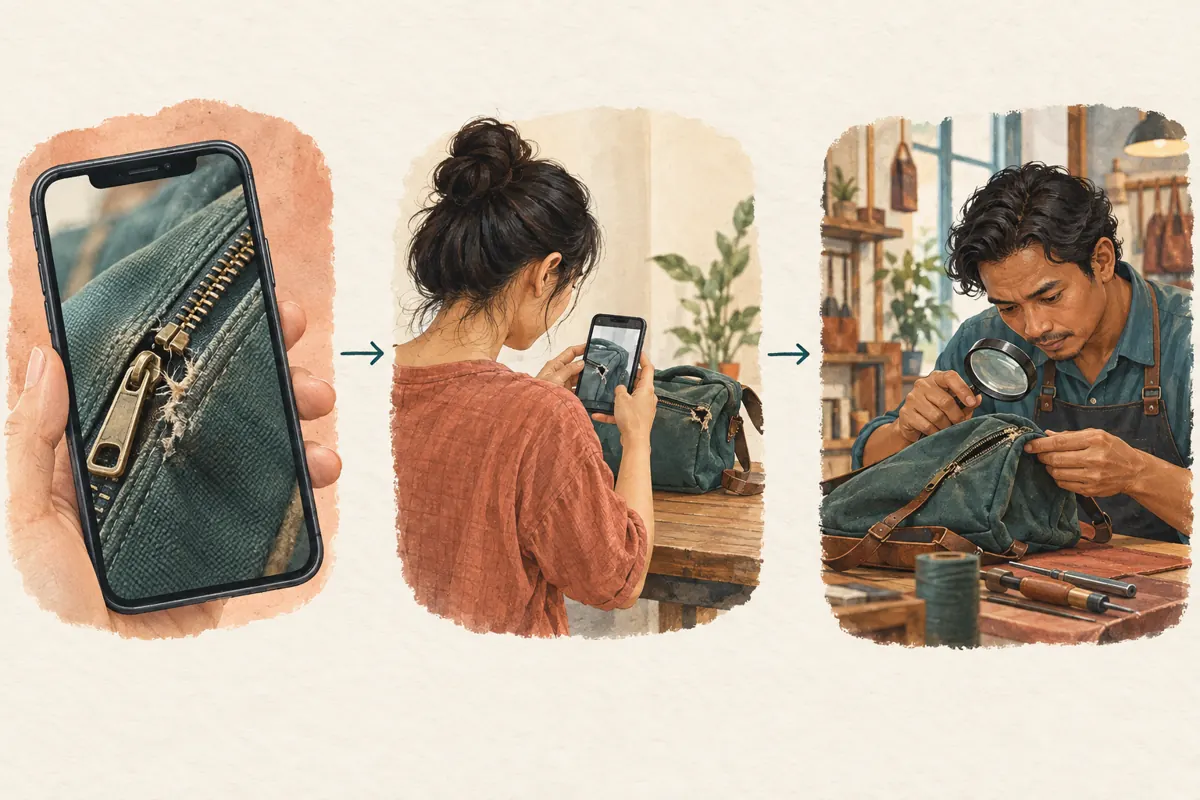
Give the interested viewer a useful next step. For example, ask them to send a whole-bag photo and a close-up of the damaged area through the contact method the shop actually monitors. Explain that photos support an initial discussion and that physical inspection may still be needed. For customers travelling from outside the shop's area, clarify the inspection arrangement before inviting a journey. A cover can open a conversation; it cannot provide a diagnosis.
8. Read an SMM listing without treating it as a solution
The supplied catalogue includes the exact public service name “TikTok - Likes/Views/Comments 🇰🇭 [ Package 500-800 ] Start time: 1-3h”. Its title describes an engagement package, not cover design, repair enquiries or local advertising. The supplied Khmer description refers to a notification and confirmation step and gives a different time window from the title. That inconsistency is a reason to seek clarification, not to present either window as a verified delivery promise.
Neither the Cambodian flag nor the package name establishes Cambodian users, genuine interest, sales, ad delivery or an official TikTok relationship. TikTok's rules prohibit services that artificially increase engagement. An SMM listing therefore needs a platform-policy assessment before any purchase; this cover workflow does not require buying engagement. For a repair shop trying to improve recognition, invest first in clearer footage and customer-facing information. See [TikTok's integrity and authenticity rules](https://www.tiktok.com/community-guidelines/en/integrity-authenticity/).
9. Evaluate recognition and enquiries separately
Keep a small review note for each demonstration: the repair question, selected cover, publication reference and misunderstandings reported by viewers. Record whether a customer could identify the relevant video and whether the resulting enquiry contained enough information for the next step. An enquiry about strap replacement after watching the zipper demonstration may reveal confusing presentation, but it could also reflect a customer with several repair needs. Ask before drawing a conclusion.
Avoid attributing a change in enquiries to the cover alone. The video topic, timing, availability of replies and other promotion may also have changed. If purchased engagement occurred, document it separately and do not count it as evidence that the cover attracted interested Cambodian customers. A useful outcome might simply be fewer explanations needed to direct someone to the correct demonstration. That is a different claim from increased demand or proven sales growth.
10. Fix the mistakes that create false expectations
Common mistakes include choosing the most dramatic frame instead of the most informative one, covering the repair with text, and giving every video an identical image. Another is using a finished result to imply a guaranteed transformation. Keep labels descriptive: the repair area and the question being answered usually provide enough direction. Avoid claims such as any bag fixed or instant repair unless the business can substantiate every implication, which is rarely practical for inspection-dependent work.
When an older cover is confusing, assess the actual harm before replacing the whole post. Check what editing controls are available, retain a record of the original reference and review any places where its link is being used. If a replacement video is necessary, make it substantively clearer and update the references you control. Do not repeatedly delete and repost merely to chase a preferred appearance. The priority is a reliable explanation customers can find and understand.
Frequently asked questions
Should every repair video use the same cover template?
A consistent visual style can help organise the profile, but the repair detail should change with the subject. Reuse restrained colours or label placement while showing the actual zipper, strap or lining discussed. If viewers need to read every label carefully to tell the videos apart, the images are too similar.
Does a clearer cover guarantee more TikTok views?
No. A clearer cover can make a video's subject easier to recognise, but that does not establish how often TikTok will show it or how viewers will respond. Evaluate comprehension first. Treat any change in views as an observation requiring context, rather than proof that the cover caused it.
Can I promise customers a repair based on the cover image?
The cover is an introduction to a demonstration, not an assessment of another customer's bag. Similar-looking damage can involve different materials, construction or missing parts. Invite suitable photos for an initial discussion, explain what remains uncertain and confirm the work only after the inspection your shop needs.
Should I buy likes to see which cover people prefer?
Purchased likes cannot establish a preference among genuine prospective customers. They also introduce a separate influence into the numbers you are trying to interpret. Ask people to identify the video's subject without prompting, review genuine questions and follow TikTok's rules when considering any promotional service.
What if the best cover moment is missing from the footage?
If the video is still being prepared, film a clearer view of the same demonstration item and incorporate it honestly into the edit. Do not substitute unrelated damage or a result the video cannot support. If filming again is impossible, select the clearest available frame and use a restrained label to resolve ambiguity.
Explore the current service catalogue, create an account, or ask a specific question through support tickets.
- TikTok Help Center: Editing, posting, and deleting — Adding a video cover
- TikTok Community Guidelines: Integrity and Authenticity
Prepared with AI assistance. Illustrations explain the workflow and do not represent customer results.