
20/10/2026 15:32
Reveal the Gift or Keep the Surprise? Telegram Spoiler Photos for Cambodian Gift-Box Shops

A gift-box photograph serves two different readers: the buyer who wants to inspect the contents and the recipient who might prefer a surprise. For a Cambodian shop promoting handmade gift sets on Telegram, showing everything immediately can spoil the presentation, while hiding everything can make shopping unnecessarily difficult. An optional photo reveal offers a useful middle ground when the public caption still explains the offer. This guide follows a hypothetical Phnom Penh gift workshop preparing a ceramic-cup-and-cloth sample. It explains when to use a spoiler photo, how to prepare and check the post, and why neither a reveal nor an SMM-panel view count establishes buying intent.
1. Decide whether the surprise actually helps the reader
Begin with the purpose of the photograph. A decorative arrangement, seasonal ribbon combination or unpacking sequence can reasonably be optional. A chipped cup, the actual contents of a paid bundle, or an important size difference should be easy to inspect. Ask whether hiding the picture gives the reader a meaningful choice or simply creates another obstacle before they can understand the product.
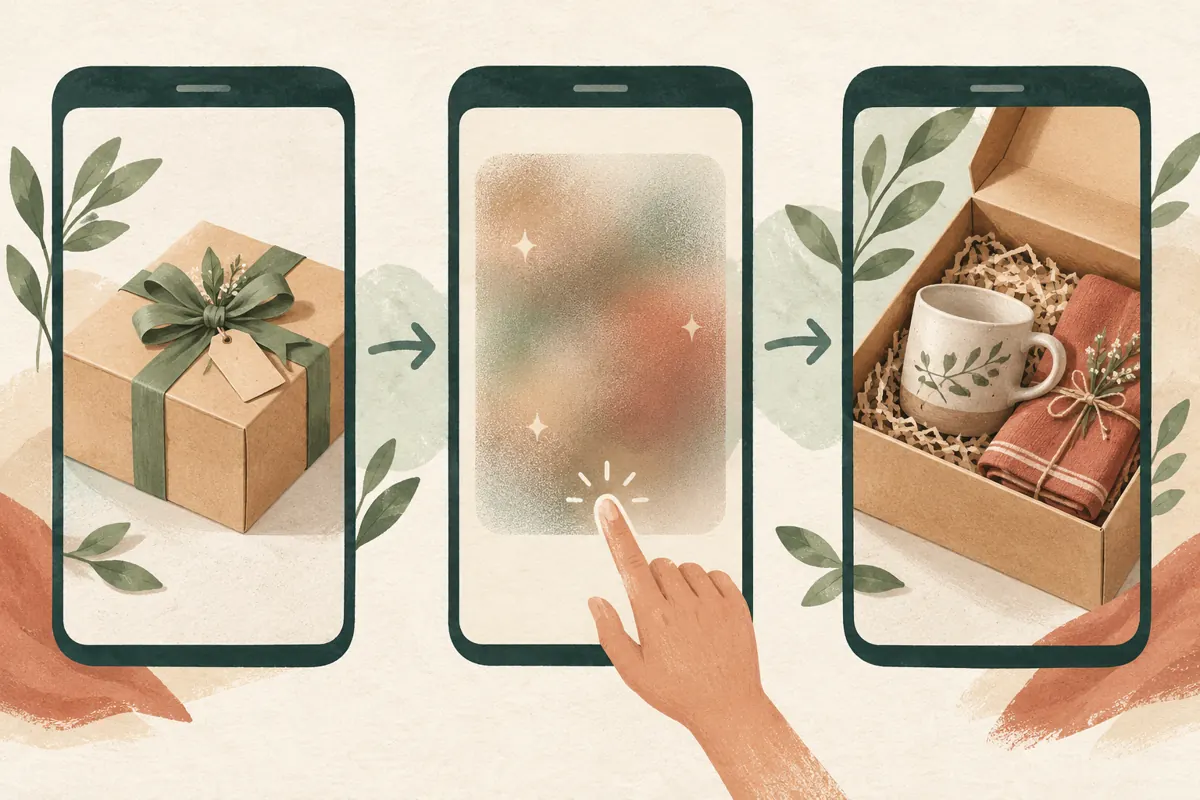
In the hypothetical workshop, the public post shows the closed sample box and describes its contents. A separate spoiler photo reveals how the cup and folded cloth are arranged inside. Buyers can inspect the presentation, while someone browsing for wrapping ideas can leave it covered. If the shop instead needs customers to compare two cup shapes, ordinary visible photographs would be more useful. Choose the format around the question customers need answered.
2. Understand what Telegram's media spoiler does
Telegram's official Hidden Media announcement explains that photos and videos can be covered with a shimmering blur and revealed with a tap. Its documented workflow is to select media in the attachment menu, open the additional menu and choose “Hide with Spoiler.” Check the controls in the app version your shop actually uses before preparing a public post.
Treat this as an optional viewing effect. Because recipients can reveal the content, it is unsuitable for concealing delivery addresses, private messages or an unreleased customer commission. For the workshop, the practical rule is simple: every picture must already be suitable for its intended audience before the effect is added. A spoiler can preserve a voluntary surprise, but it cannot make a public customer photograph private. Telegram's official explanation is listed in the sources.
3. Prepare a sample that can safely become public
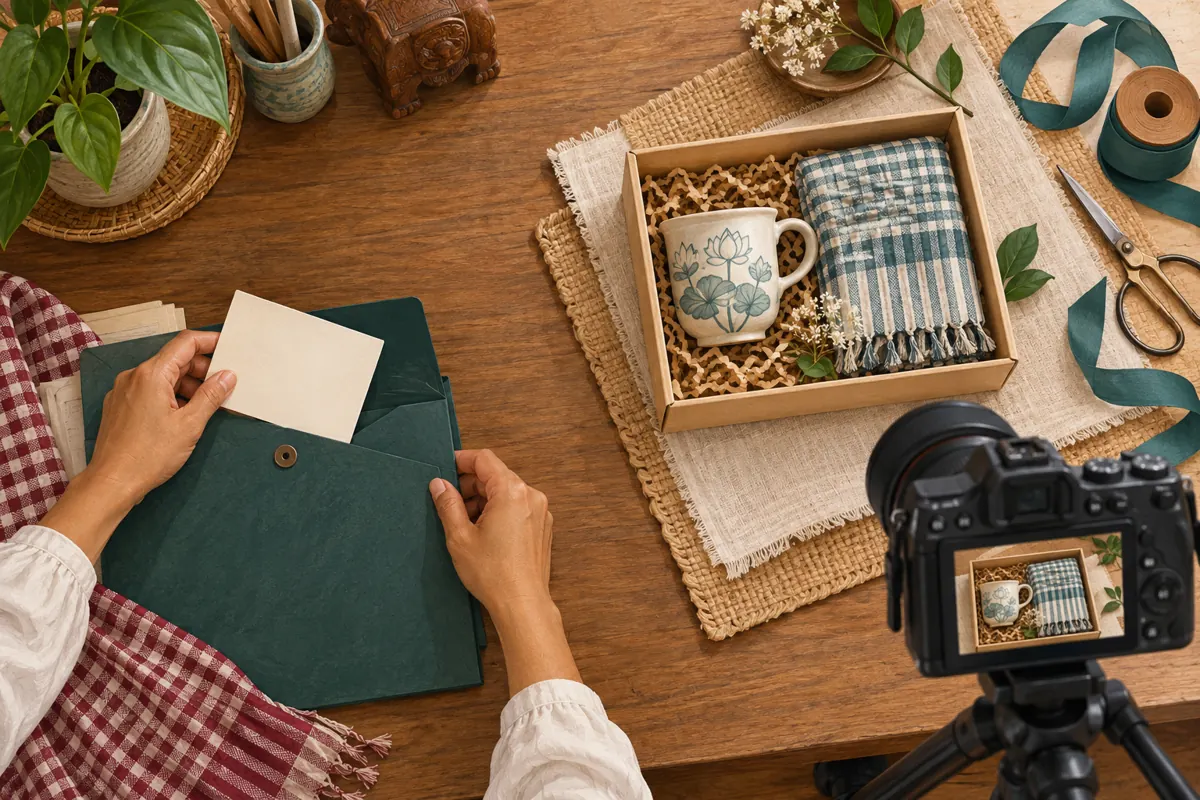
Use a demonstration box assembled for photography whenever possible. Remove customer cards, courier labels, payment slips and order sheets from the scene. Check the background as carefully as the product: a packing desk may contain information unrelated to the sample. Photograph the safe arrangement again if necessary, rather than relying on a visual effect to cover material that should never appear.
Keep a short internal note identifying what the sample represents. Record the cup style, cloth type, packaging and any decoration included only for photography. If dried flowers are styling props rather than part of the purchase, say so in the caption. When using an actual customer's completed gift, agree on what may be shown and when. A recipient's name or personal message adds little to a useful demonstration of the shop's wrapping work.
4. Write the buying information before the reveal
Draft a caption that remains useful without opening the photo. Identify the sample, explain what is included, distinguish available choices from fixed contents, and state how someone should ask about availability. Give the actual price and currency when the offer has a confirmed price. Otherwise explain which choices affect the quotation. Do not make readers reveal an image merely to discover delivery restrictions or whether the pictured items are sold together.
For the hypothetical workshop, an English draft might read: “Cup-and-cloth gift sample. The covered photo shows the arrangement inside. Message us with your preferred cup style, quantity and required collection date for an availability check. Decorative flowers are display props.” Adapt the wording into the language customers normally use, with a fluent Khmer reviewer where appropriate. Keep the sample reference consistent between languages so staff can recognise the same offer.
5. Build a short, deliberate reveal sequence
Prepare the visible exterior photograph and the optional interior reveal as two clearly related pieces of content. Give both the same sample reference. Keep the surrounding explanation brief enough that a visitor understands the relationship immediately. The reveal should answer a concrete question, such as how the contents sit inside the box, rather than lead to another unexplained teaser.
Try the sequence in a staff-only test conversation before using the shop's public channel. Apply the spoiler to the intended interior image and inspect the sent result. Ask a colleague to read the caption without revealing the picture, then explain what they believe is included and how they would enquire. Their answer tests the clarity of the offer. Afterwards, let them reveal the picture and check whether it adds useful detail or contradicts the caption.
6. Review the post through a customer's eyes
Check the photograph on a normal phone screen. Can the customer distinguish the cup from the filler material? Does the cloth look like a full item rather than a decorative scrap? Are ribbon colours reasonably represented under the lighting? A reveal is disappointing when it exposes an attractive arrangement but leaves practical questions unresolved. Add a straightforward detail photograph when a product feature needs closer inspection.
Also test the commercial handoff. Open the contact destination supplied in the caption and confirm that it reaches the shop's intended conversation. Staff should know which sample reference a customer will mention. If orders require a date and quantity, ask for those details first; obtain a full delivery address later in the appropriate private conversation. This keeps public promotion focused and prevents unnecessary personal details from becoming part of casual comments.
7. Give staff a response for each kind of enquiry
Prepare answers for presentation questions, product questions and booking requests. Someone asking how the ribbon is tied needs a different response from someone asking whether a particular cup is available. A customer who supplies a required date still needs availability checked before staff promise completion. Keep these distinctions visible in the shop's working notes so an appealing reveal does not become an accidental commitment.
In a hypothetical exchange, a buyer writes, “Can you make this for Saturday?” Staff first confirm which sample they mean, then ask about quantity and any changes. They check stock and workshop capacity before giving a quote and collection arrangement. The public photograph is a reference, not an order confirmation. This distinction is especially useful when the same attractive sample remains in circulation after its original materials are no longer available.
8. Evaluate an SMM-panel listing against this task
The supplied catalogue includes the exact public service name “Telegram - Post Views - [ LAST 5 POST ]”. Its description is empty, and its listed category refers to bot accounts and old posts. That information does not establish how spoiler media is handled, whether a particular reveal is eligible, or precisely how the target posts are selected. Ask for documented answers before considering an order; an unresolved mismatch is a reason to skip it.
A post-view service cannot be treated as a service for inspecting gift contents, finding local buyers or confirming bookings. Purchased engagement is not evidence of genuine interest, sales, ad delivery or Cambodian users. For this workflow, first spend effort on a clear sample, accurate availability information and responsive enquiries. If a panel service is considered separately, review applicable platform rules and provider terms, record its stated scope, and never present purchased counts as customer enthusiasm.
9. Measure questions and orders separately from visibility
Telegram's Channels FAQ says channel view counts are approximate and include views of forwarded copies. The counter should therefore not be read as a count of unique prospective customers. Nor does that documentation identify it as a count of people who tapped a spoiler. Do not calculate a reveal rate by treating every post view as an interior-photo inspection.
Keep a modest enquiry log instead. Note the sample mentioned, the customer's actual question, the information missing from the post and whether a quote or confirmed order followed. Separate any panel order records from those business observations. If several people ask whether the cloth is included, improve the caption. If people understand the contents but cannot meet the collection arrangements, review the offer. Neither problem is solved by making the visible counter larger.
10. Avoid reveal tactics that weaken trust
Do not hide defects, exclusions or important purchase conditions behind the effect. Avoid suggesting that opening the picture reserves stock, enters a giveaway or unlocks a special price unless a genuine, clearly explained arrangement exists. The purpose here is to let readers choose whether to see the presentation. Artificial urgency and vague promises make a simple product reference harder to trust.
Another common mistake is publishing the same interior picture uncovered elsewhere in the planned sequence. Review companion posts and promotional materials if preserving the optional surprise matters. However, do not promise that the image will remain unseen outside your original post. Finally, keep the reveal proportionate: one clear interior view usually explains more than a chain of covered pictures that makes buyers hunt for the basic contents.
11. Keep, simplify or retire the format
After the sample has generated real conversations, review the questions with the person handling enquiries. Keep the spoiler approach if customers understand the offer and appreciate choosing whether to see the arrangement. Simplify it if staff repeatedly need to explain how to open the image. Use an ordinary visible product photograph if the surprise contributes little to the buying decision.
Retire or update the promotion when the sample no longer represents what the shop can supply. Make any replacement reference easy for staff to identify, and ensure new captions reflect the current contents. Preserve only the internal notes needed to understand earlier enquiries. The useful outcome is a repeatable publishing decision: safe sample, clear offer, optional reveal, accurate response and evidence from actual customer conversations.

Frequently asked questions
Can a spoiler keep a customer's personalised gift private?
No. A recipient can reveal the covered media, so do not use the effect to protect a name, message or confidential design. Use a publicity sample without personal details. If showing a real commission, obtain appropriate agreement about the content and timing before sharing it with the intended audience.
Should the price be inside the hidden photograph?
Keep essential commercial information in visible text. Customers should understand the offer without opening an optional reveal. State a confirmed price with its currency, or explain what determines the quote. A presentation effect should not make basic comparison or budgeting harder.
Does a higher view count mean more people opened the gift reveal?
You cannot draw that conclusion from the channel counter. Treat visibility, specific product enquiries and confirmed orders as different observations. To understand whether the image helps, review the questions people ask and whether they can accurately identify the contents and request the next step.
What if customers do not understand the covered image?
Add a brief visible explanation that the photo reveals the sample's interior arrangement. Test that wording with someone unfamiliar with the post. If confusion continues, use a normal photo. Preserving a surprise is optional; helping customers understand what they can buy is essential.
Is buying a Telegram view service necessary for this workflow?
No. The workflow can be completed through careful photography, a clear caption and attentive replies. The supplied listing does not document spoiler-specific behaviour. A shop can decline a service when its scope is unclear or when its output would not answer the business question being investigated.
Explore the current service catalogue, create an account, or ask a specific question through support tickets.
- Telegram: Hidden Media, Zero Storage Usage, New Drawing Tools, Profile Pictures for Your Contacts, and More
- Telegram Channels FAQ: What does the eye icon mean?
Prepared with AI assistance. Illustrations explain the workflow and do not represent customer results.